
Dog Ear Infection Symptoms: How to Tell and What to Do
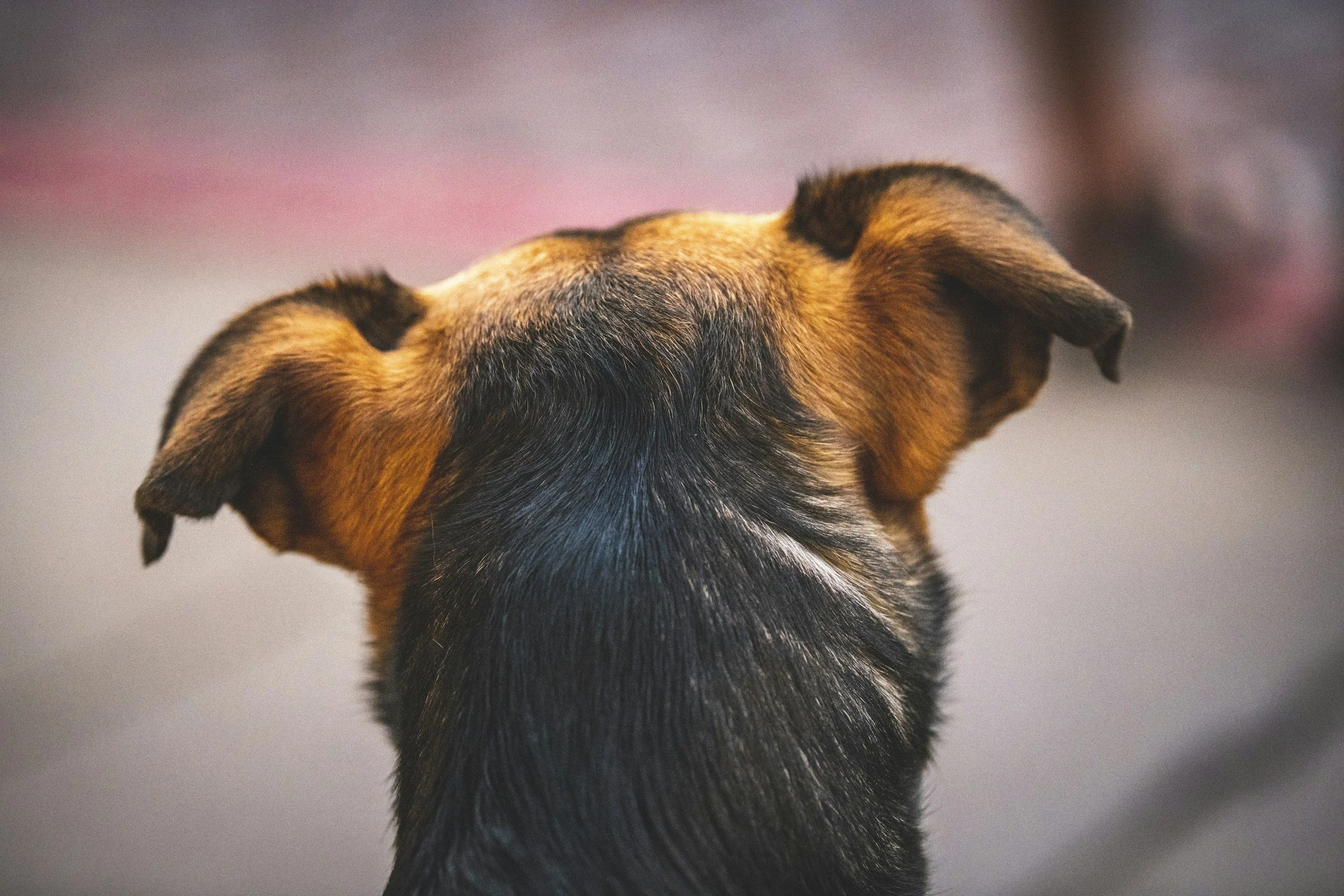
If your dog has been shaking their head, scratching at their ears, or holding one ear lower than the other, you've probably already Googled "dog ear infection symptoms" at least once. You're not alone, ear infections are one of the most common reasons pet parents bring their dogs to an urgent care vet.
The good news: most dog ear infections are very treatable, especially when caught early. The tricky part is knowing what to look for, when you can wait it out, and when it's time to come in.
What Causes Ear Infections in Dogs?
Before you can spot an ear infection, it helps to understand what causes them. The most common pathogens are:
Bacteria — often introduced through moisture or debris trapped in the ear canal. There are a couple common types of bacteria in ear infections, each requiring slightly different treatments.
Yeast (Malassezia) — thrives in warm, dark, damp environments — exactly what a dog's ear canal is.
Ear mites — they’re pretty rare in dogs compared to cats, but if seen, are most often found in puppies.
There are a number of potential underlying causes of ear infections, this is especially important to work through if your dog has ear infections frequently.
Allergies — environmental and/or food allergies frequently trigger chronic ear inflammation, predisposing them to ear infections
Foreign objects — grass seeds, sand, or debris lodged in the canal
Hormonal/endocrine disorders — conditions like hypothyroidism or Cushing’s disease can alter skin health throughout the body, including the ears, making them more prone to infection
Any dog can develop an infection, especially during summer months when environmental allergens are more prevalent leading to underlying inflammation and dogs are swimming more frequently leaving wet ear canals, creating an environment for bacteria and yeast to flourish in.
For dogs in the Virginia Beach and Norfolk area, this is especially worth knowing as environmental and pollen allergies are among the worst in the country for people, this is also seen in dogs in Hampton Roads. Pair that with the easy access to the beach and ocean water, local dogs are exposed to ear infection triggers year-round with a risk spike in spring and summer months.
Dog Ear Infection Symptoms: What to Watch For
Ear infections can affect the outer ear canal (otitis externa), or in more serious cases the middle ear (otitis media), or inner ear (otitis interna). The most common and visible is otitis externa, and the symptoms are usually hard to miss once you know what to look for.
Behavioral Signs
Head shaking — one of the earliest and most telling signs; shaking the head more and harder than usual
Scratching at one or both ears — often with the back paw, this can also create inflammation or wounds behind or around the ear(s)
Rubbing their ear on furniture, carpet, or the floor
Tilting their head to one side — especially common with middle or inner ear infections
Whining or pulling away when you touch their ear — pain on contact is a clear signal something is wrong
Loss of balance or walking in circles — indicates the infection may have reached the middle or inner ear
Reduced appetite or unusual lethargy — pain and discomfort in the ear can affect their whole demeanor and behavior
Physical Signs
Redness or swelling – inside the ear flap, the visible part of the external ear canal, and/or the skin surrounding the ear
Discharge/Buildup in the ear — this can vary in color (brown, yellow, black, red, other) depending on the pathogen(s) involved
Odor — infection often has a notable smell
Crusting or scabbing around the ear opening
Hair loss around the ear from repeated scratching
Swollen ear flap (aural hematoma) — if your dog shakes their head hard enough or frequently enough, they can rupture a blood vessel inside the ear flap, causing a soft, fluid-filled swelling. This is a secondary complication that requires its own treatment
Serious Warning Signs… Seek Care Immediately
These symptoms indicate the infection has progressed beyond the outer ear and needs urgent attention:
Abnormal eye movements - eyes quickly and consistently flicking side to side
Stumbling, circling, or loss of coordination — inner ear involvement affects the vestibular system, which controls balance
How to Check Your Dog's Ears at Home
You don't need to be a vet to do a basic ear check. Here's how:
Find good lighting — natural light or a flashlight works well
Gently fold back the ear flap to expose the ear canal
Look at the skin — healthy dog ears should be light pink, clean, and have minimal odor
Smell the ear — A healthy ear has very little scent, while a noticeable smell is a red flag
Look for discharge or debris — a small amount of light-colored wax is normal; anything darker, wetter, or more abundant is not
Do not insert anything into your dog's ear canal at home. If you see or smell something concerning, that's your cue to call a vet.
When to Go to an Urgent Care Vet vs. Wait for Your Regular Vet
This is the question we hear most often. Here's a practical breakdown:
Seek urgent vet care if:
Your dog is in visible pain — reactive to touch of the ear or around the ear, behavior or energy changes, vocalization, etc.There is significant swelling, or the ear canal appears closed off
You notice bloody or heavily discolored discharge
Your dog has lost balance, is walking in circles, or shows neurological symptoms
The ear has been bothering them for more than 2–3 days with no improvement
What happens at Furgent Care?
When you bring your dog in for a suspected ear infection, here's what to expect:
Ear exam with an otoscope — the vet will look directly into the ear canal to assess the level of inflammation and discharge, as well as the integrity of the eardrum. If your dog's ear is painful, light sedation may be needed for a thorough exam.
Cytology (ear swab) — a sample of the discharge is examined under a microscope to identify whether the infection is bacterial (and what type(s)), yeast, or a combination
Treatment plan — most uncomplicated ear infections are treated with a topical ear medication. Some, like Simplera, are long-acting and applied once at the clinic. Others, like Surolan or Baytril Otic, are sent home for ongoing use. In cases where the ear canal is swollen shut, oral steroids or antibiotics may be needed as well.
Cleaning — the vet may flush the ear canal at the clinic, especially if there's significant buildup
Treatment time varies depending on the type of treatment used. A follow-up appointment with your primary care veterinarian is often recommended to confirm the infection has cleared, incomplete treatment is the most common reason infections come back.
If your dog has underlying allergies driving the infections, those will need to be addressed separately.
Can You Treat a Dog Ear Infection at Home?
We understand the impulse. But home treatment for ear infections carries real risk:
Over-the-counter ear cleaners can soothe mild irritation but will not treat an active infection
If the eardrum is ruptured (which can happen with severe infections), certain medications can cause permanent hearing damage
The safest approach: use a vet-approved ear cleaner for routine maintenance, and come in for anything that looks or smells off.
Preventing Ear Infections in Dogs
Once you've dealt with one ear infection, you'll do almost anything to prevent another. Here's what actually helps:
Address allergies — if your dog gets recurrent ear infections, chronic allergies are often the root cause and worth treating directly
Flush ears thoroughly after swimming or baths — moisture contributes to infections, we see it often in the summer for beach-going dogs in Virginia Beach. Most ear cleaners or flushes have a drying agent in them to help prevent excessive moisture accumulation
Regular ear cleaning with a vet-recommended solution; ask your vet how often based on your dog's breed and lifestyle
Routine ear checks — make it part of your weekly routine, especially during summer
Frequently Asked Questions
Can a dog ear infection go away on its own?
Rarely. Most ear infection treatment is directed at the specific type of infection to fully clear. Left untreated, they can create permanent inflammation and swelling in the ear canal, cause skin thickening, and/or spread to the middle or inner ear, causing neurologic problems and permanent hearing loss.
How do I know if it's a yeast or bacterial infection?
You can't know for certain without a cytology (ear swab checked under the microscope). Many dogs have both yeast and bacteria at the same time, sometimes two different types of bacteria.
My dog keeps getting ear infections. Why?
Recurring ear infections almost always have an underlying cause, which is often allergies (environmental or food). Treating the infection without addressing the root cause will result in it coming back. Ask your vet about long term allergy and skin management options.
Can I use human ear drops on my dog?
No. Human ear drops are formulated for a different ear anatomy and pH, and some ingredients can be harmful to dogs. Always use products specifically approved for veterinary use.
How long does treatment take?
It depends on what type of infection is present and what treatments are utilized. Chronic or deep infections can take longer. Always complete the full course of treatment even if symptoms improve early.
The Bottom Line
Dog ear infections are common, uncomfortable, and very treatable but they don't get better on their own. The longer an infection goes untreated, the deeper it can spread and the harder it becomes to clear.
If you're in Virginia Beach, Norfolk, Chesapeake, or the surrounding Hampton Roads area and your dog is showing any of the symptoms above, Furgent Care is available evenings and weekends to help diagnose and treat your pet.
Furgent Care Veterinary Urgent Care 5425 Virginia Beach Blvd, Suite A, Virginia Beach, VA 23462 Weekdays: 2 PM – 10 PM (Closed Tuesdays) | Weekends: 10 AM – 10 PM 📞 757-656-5650 | Same day appointments available | Check-inonline to save your spot