
Dog Limping on Front Leg: Causes and When It's Urgent
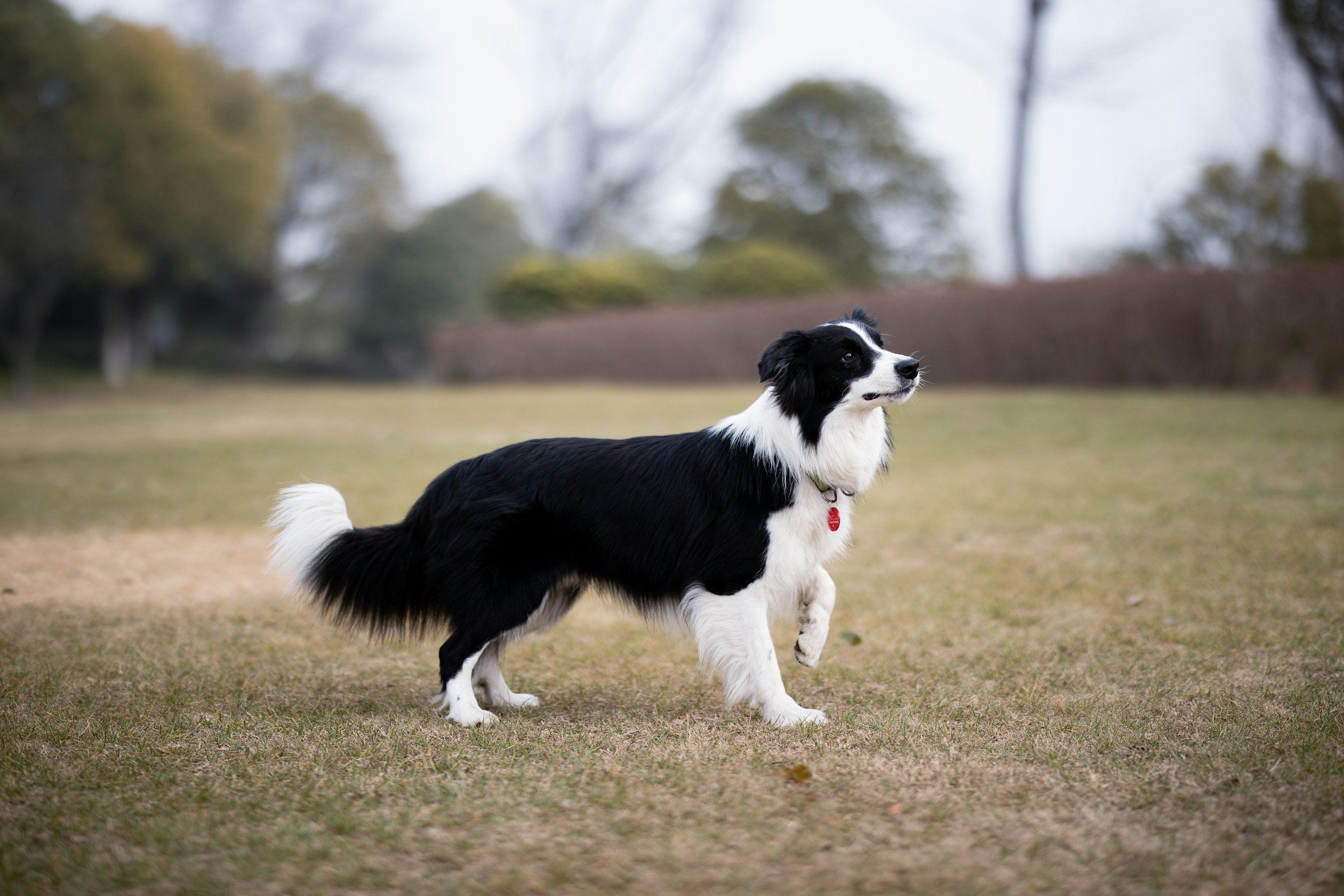
My Dog Is Limping…Is It an Emergency or Can It Wait?
Your dog takes a bad step, yelps, and now they're favoring a front leg. Your first instinct is probably somewhere between "let's just watch it" and "should we go in right now?" That instinct matters, front legs carry roughly 60% of a dog's body weight, so a limp is rarely something to fully ignore, even when it looks mild. It is important to remember that limping means your dog is in pain, even if they are still moving around, eating, not vocalizing, and behaving normally otherwise, it still hurts.
Here's how to tell the difference between a leg that needs rest and one that needs care today.
Quick Answer: Emergency or Not?
Go in now if your dog is:
Showing signs of shock such as pale gums, rapid breathing, trembling, weakness
Refusing to put any weight on the leg at all
Holding the leg up at an unusual angle, or you notice visible deformity
There is visible swelling anywhere on the leg
Crying out or flinching when the leg is touched
Bleeding, has an open wound, or there is visible bone
Dragging the paw or knuckling under (walking or standing on the top of the foot)
Likely okay to monitor briefly if your dog:
Is still putting some weight on the leg, even if favoring it
Can still walk, and the limp improves with rest
Isn't reactive or sensitive when the leg is gently handled
Is otherwise acting normal, eating, alert, engaging with you
If you're in the second group, keep reading for what to watch for and how long to wait. If you're in the first, skip to the bottom of this post because it could be an urgent vet care situation.
Common Causes: Sudden vs. Gradual Onset
Not all limping starts the same way, and when it starts is one of the most useful clues for figuring out what's going on.
Sudden limping may come from things like:
A cut, splinter, or foreign object in the paw A broken or torn toenail
A bone fracture or joint dislocation (usually after a fall, collision, or rough play)
A soft tissue strain
An insect sting or bite
Tick-borne illness (lameness can also shift between legs)
Neck pain or a disc issue, where pain radiates down the front leg
Gradual or intermittent limping is more often tied to:
Arthritis, especially stiffness after rest that loosens up with movement
Elbow dysplasia, more common in large and giant breeds
Panosteitis ("growing pains" - painful inflammation of the bone) in young, large-breed puppies
Immune-mediated polyarthritis, usually paired with fever, low appetite, or lethargy
Osteosarcoma (bone cancer) — rarer, but often comes with firm swelling and very significant pain
Mild vs. Serious: A Quick Comparison
| Sign | Mild | Serious |
|---|---|---|
| Weight-bearing | Still puts some weight on the leg | Refuses to or unable to bear any weight |
| Sensitivity to touch or manipulation | Minimal, no reaction to gentle touch | Yelps, pulls away, or won't let you touch it |
| Appearance | No visible swelling or wounds | Visible swelling, deformity, or open wound |
| Behavior | Otherwise normal, eating, alert | Panting excessively, trembling, hiding, or unusually aggressive when approached |
| Trend | Improves with rest, doesn't worsen with light activity | Stays the same or gets worse over hours |
Red Flags, Don't Wait on These!
Some situations call for immediate care rather than a wait-and-see approach (some of these may require a visit to an emergency clinic):
Any fall, car accident, or dog fight preceded the limping - even if the limping is subtle, other deeper problems may occur and be significant problems later
Visible bone, significant bleeding, or a deep wound
Your dog is dragging or knuckling the paw (possible spine and nerve involvement)
Limping is paired with fever, lethargy, or general weakness
Pale gums, rapid breathing, or other signs of shock
These combinations can point to fractures, nerve damage, or internal injury situations where delaying care by even a day can change the outcome.
What to Do Before You Get Here
Stay calm and limit movement. Keep your dog in a quiet space and avoid stairs, jumping, or excited play.
Do a gentle check. Look at the paw pad and between the toes for cuts, swelling, or foreign objects. Don't force movement or manipulate the joint if your dog reacts with pain.
Skip the home remedies. Never give human pain medication many common options are toxic to dogs. Even aspirin that is found at pet stores is often not safe for dogs.
Handle carefully. Support your dog's chest and hindquarters rather than the injured leg. Use a secure carrier for small dogs; help larger dogs into the car to avoid jumping.
Call ahead. Let us know when the limping started, whether there was a specific incident, and what you're seeing to help us prepare for your visit and/or guide you to the correct place.
Urgent Care, Regular Vet, or ER Where Should You Go?
Not sure which category fits? Call Furgent Care — we'll help you decide in minutes.
What to Expect at Your Visit
An orthopedic and pain evaluation to narrow down where the discomfort is coming from
X-rays if changes to the bone(s) are suspected (potentially fractures, dislocations, tumors, etc.)
Pain relief to keep your dog comfortable
A referral to an emergency clinic or veterinary surgeon if the case needs a higher level of care
Frequently Asked Questions
Is it normal for a dog to limp occasionally? Occasional, brief limping that resolves on its own can happen after a long walk or active play - but is still a sign of potential underlying changes like osteoarthritis. Any limp lasting more than 24 hours, or one that's paired with other symptoms, should be checked out.
What are the most common causes of front leg limping? Paw injuries, broken nails, sprains/strains, and arthritis are among the most frequent. Anywhere in the front leg can be involved from the nails and toes, all the way up to the shoulder and neck.
How do I know if my dog's limp is serious? Watch for complete refusal to bear weight, visible swelling or deformity, and reactivity or sensitivity when the leg is touched. If any of those are present, it's time for a visit rather than a waiting period.
Can I wait and watch if the limp seems mild? If your dog is still bearing some weight and is otherwise acting normally, monitoring for 24–48 hours is reasonable. If it doesn't improve — or gets worse — don't wait longer than that.
Should I be worried about a limp even if there's no visible injury? Yes. Limping means there is pain. Ligament tears, early arthritis, nerve issues, and infections often don't show any outward signs. A limp without a visible cause still deserves an exam.
Don't Wait If Something Feels Off
If your dog's limp is new, worsening, or you see swelling or behavior changes, don't wait for the next routine opening. Schedule a same-day visit with Furgent Care.
This blog is for general informational purposes and isn't a substitute for an in-person veterinary exam. If your dog has experienced trauma, is in visible distress, or shows signs of shock, please contact us or your nearest emergency vet right away.